





Experimental demonstration of the performance of the miniaturized plasma camera
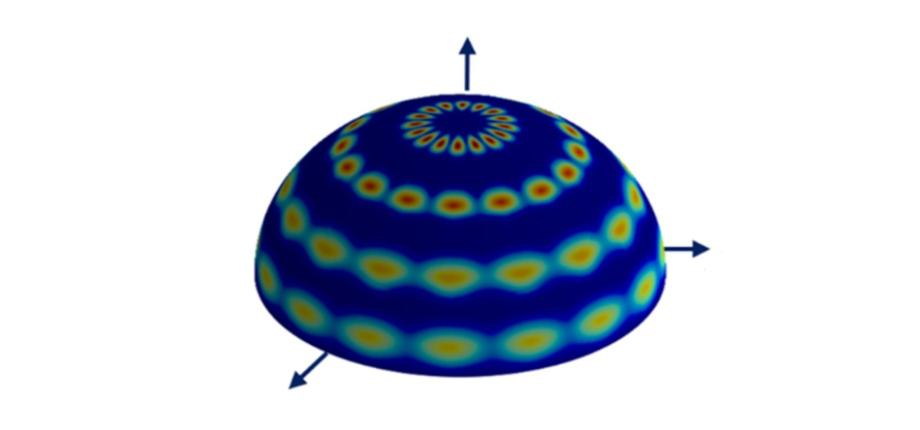
The plasma camera is a new type of spectrometer developed at LPP with CNES support, designed for rapid measurement of the distribution function of charged particles in space. Gwendal Hénaff, who devoted his thesis to this innovative instrument with 3D-printed electrostatic optics, has published his work demonstrating how this miniaturized instrument works.
Compact and lightweight, plasma cameras can measure particle fluxes with an instantaneous hemispheric field of view and high temporal resolution. The miniature camera has a sensitivity equivalent to that of plasma spectrometers used in benchmark missions such as NASA's MMS mission, while using a fraction of the resources.
The report on the 2025-2040 national space strategy published in November 2025 by the SGDSN (Secretariat General for Defense and National Security) mentions the “miniaturized plasma camera” as one of the strategic instruments for the future of space science. These developments pave the way for new concepts of multi-point, multi-scale magnetospheric missions such as the ESA Plasma Observatory mission, for which it has been adopted.
LPP contact point : Gwendal Hénaff
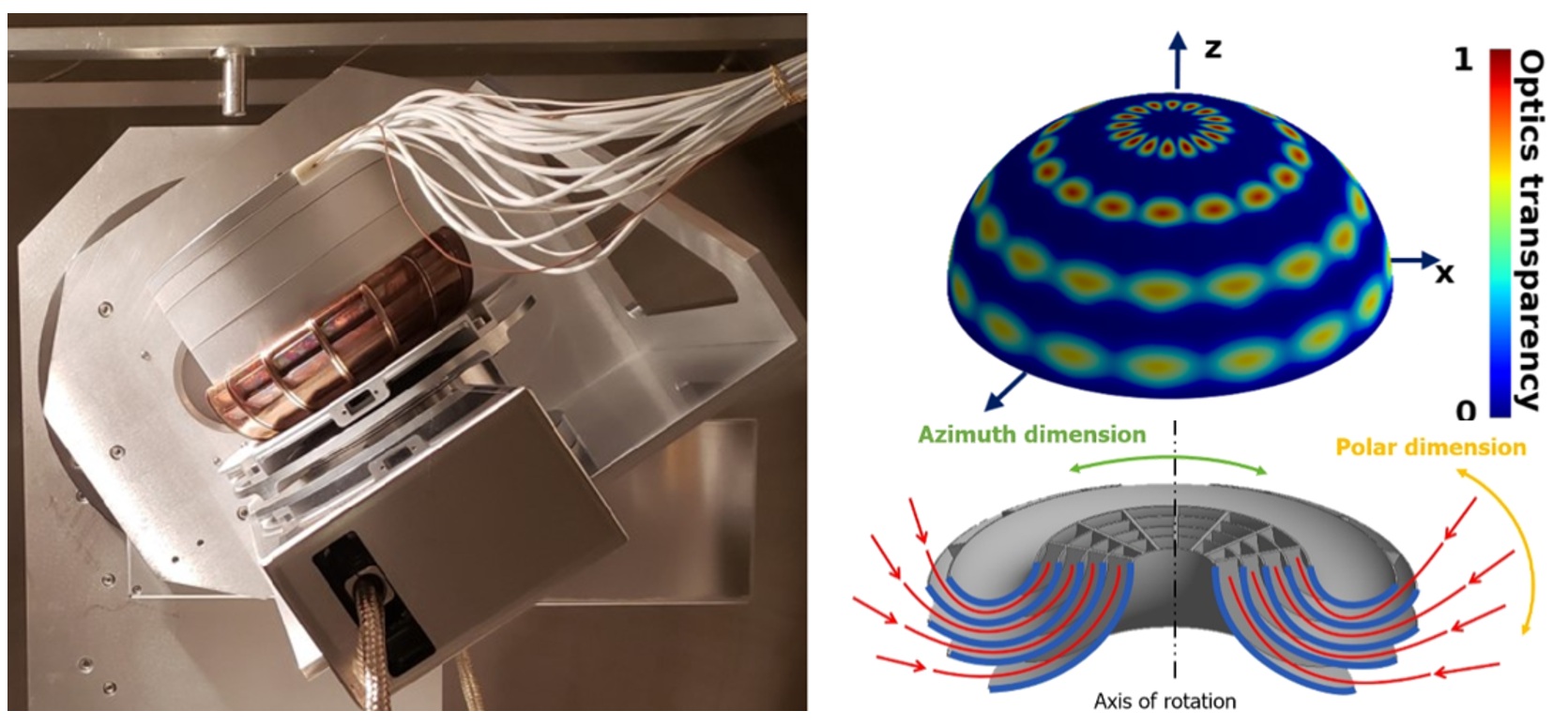
Left: instrument undergoing testing in the LPP cleanroom. Bottom right: charged particles (shown in red) arriving from all directions. Top right: Instantaneous hemispherical field of view of the miniaturized plasma camera.